
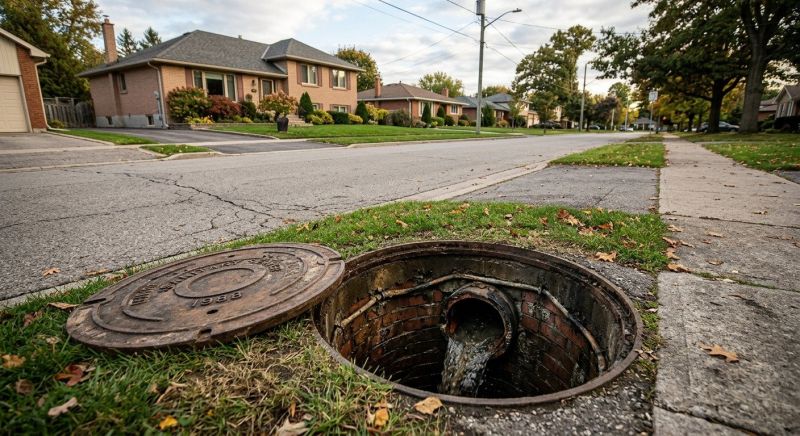
Sewage Line Installation in Denver, CO
Sewage line installation services involve setting up or replacing underground pipes that carry wastewater from a property to the municipal sewer system or a septic tank. These projects are common during new construction, property renovations, or when existing lines experience issues such as blockages or leaks. Property owners typically want to understand the scope of work involved, including how the new lines will be routed, the materials used, and any necessary permits or inspections. Ensuring proper installation is essential for maintaining a healthy and functional plumbing system, preventing backups, and avoiding costly repairs in the future.
Before requesting sewage line installation, property owners should consider factors such as the location of existing sewer connections, the type of soil and terrain, and the potential impact on landscaping or driveways. It is also helpful to understand the condition of existing pipes if replacement is needed and whether modifications to the property’s layout might be required. Clear communication about project goals and any specific property features can help ensure the installation process proceeds smoothly and meets the needs of the household or business.
Many property owners in Denver, CO look into Sewage Line Installation for repairs, replacements, upgrades, and appearance-related improvements.
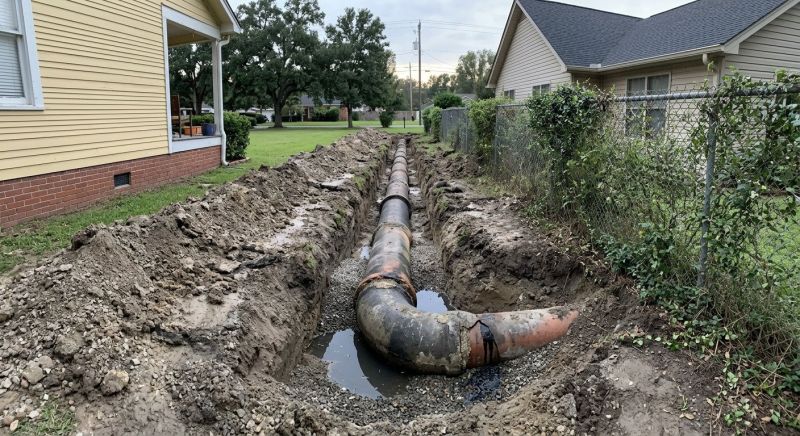
Proper Sewage Line Placement
Ensuring correct installation to prevent future blockages and leaks.
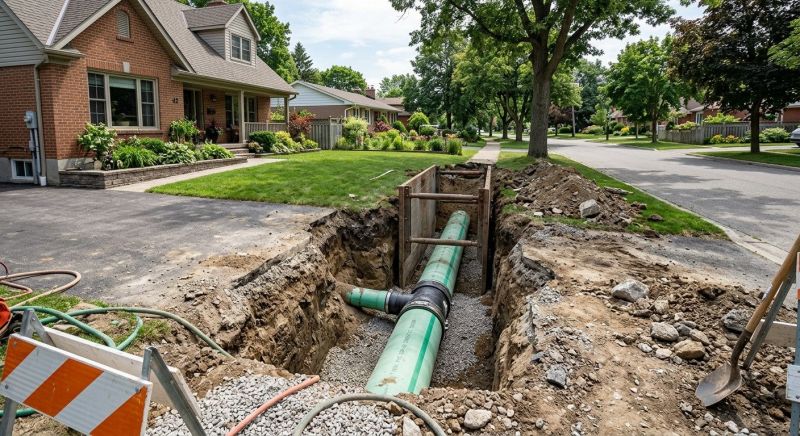
Durable Pipe Materials
Using high-quality materials suited for denver's soil conditions for long-lasting performance.
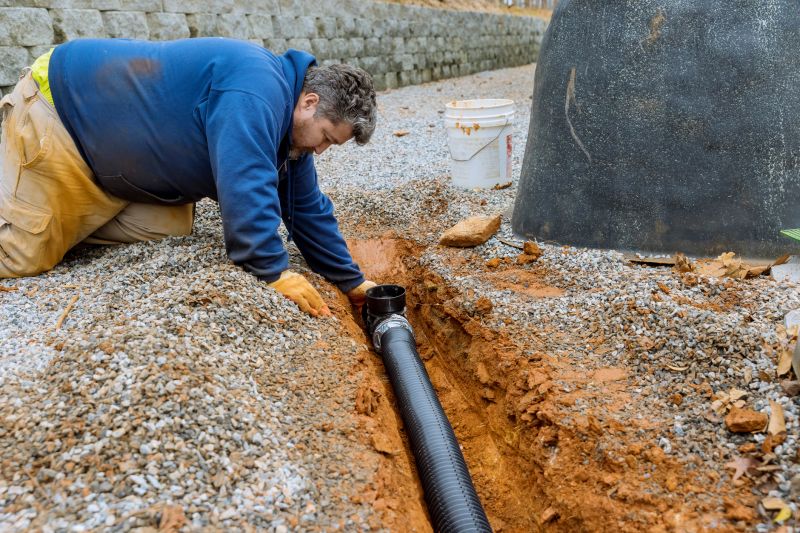
Comprehensive System Inspection
Assessing existing sewage lines to identify potential issues before installation or replacement.
Sewage Line Installation in Denver, CO

Sewage line installation services involve setting up or replacing underground pipes that carry wastewater from a property to the municipal sewer system or a septic tank. These projects are common during new construction, property renovations, or when existing lines experience issues such as blockages or leaks. Property owners typically want to understand the scope of work involved, including how the new lines will be routed, the materials used, and any necessary permits or inspections. Ensuring proper installation is essential for maintaining a healthy and functional plumbing system, preventing backups, and avoiding costly repairs in the future.
Before requesting sewage line installation, property owners should consider factors such as the location of existing sewer connections, the type of soil and terrain, and the potential impact on landscaping or driveways. It is also helpful to understand the condition of existing pipes if replacement is needed and whether modifications to the property’s layout might be required. Clear communication about project goals and any specific property features can help ensure the installation process proceeds smoothly and meets the needs of the household or business.
Many property owners in Denver, CO look into Sewage Line Installation for repairs, replacements, upgrades, and appearance-related improvements.
Common Sewage Line Installation Jobs
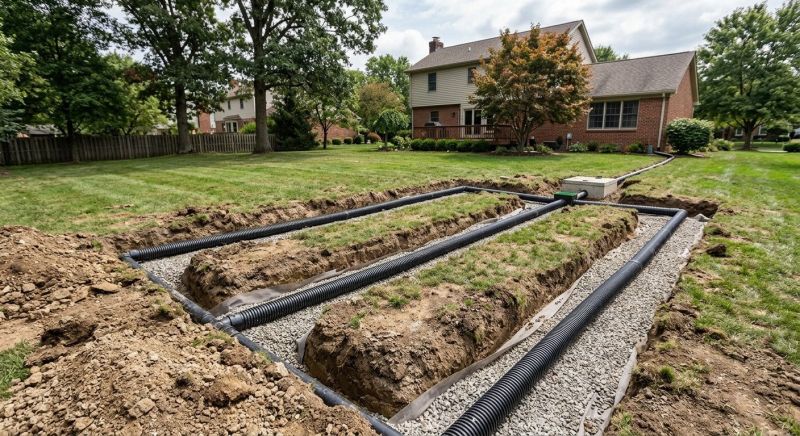
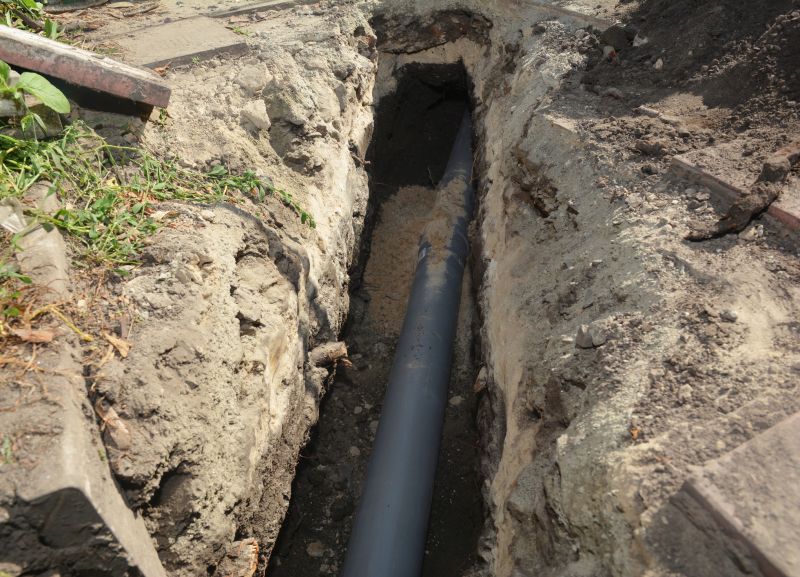
Sewage Line Installation - New sewage lines are installed to connect properties to municipal systems or for septic systems.
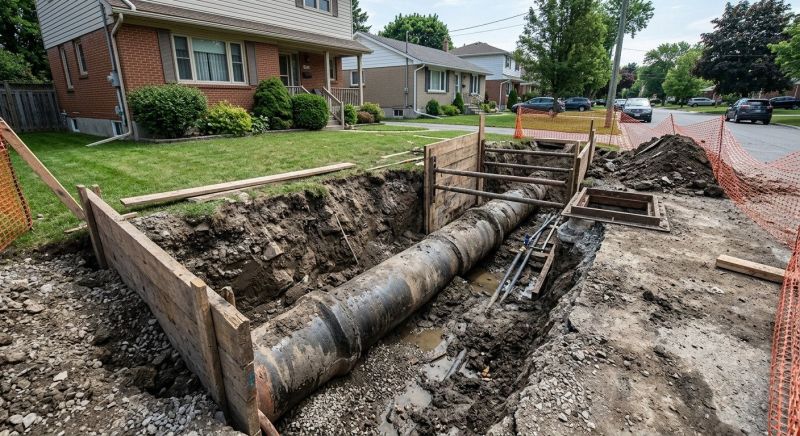
Sewer Line Replacement - Existing sewer lines are replaced to resolve persistent clogs, leaks, or damage.
Drain Line Installation - Proper drain lines are installed to ensure effective waste removal from bathrooms, kitchens, and laundry areas.
Septic System Connections - Sewage lines are connected to septic systems for properties not served by municipal sewer services.
Underground Sewer Line Repair - Repairs are performed on underground sewer lines to fix cracks, collapses, or blockages.
Sewer Line Inspection - Video inspections are used to assess the condition of existing sewer lines and identify issues.
Sewage Line Installation Questions
What is involved in sewage line installation? It includes planning the layout, excavating to access existing pipes, and installing new sewer lines to connect to the main system.
When should property owners consider replacing sewage lines? Replacement is often needed when there are persistent clogs, leaks, or signs of pipe deterioration such as foul odors or slow drains.
Are there different types of sewer pipes used in installation? Yes, common options include PVC, cast iron, and ABS pipes, chosen based on durability, cost, and local building codes.
What should property owners know about permits for sewage line work? It’s important to check local regulations, as permits are typically required before beginning installation or replacement projects.
Request Sewage Line Installation in Denver, CO
Use the quote form on this page to share the basics of your project and request more information for the type of work you need.