
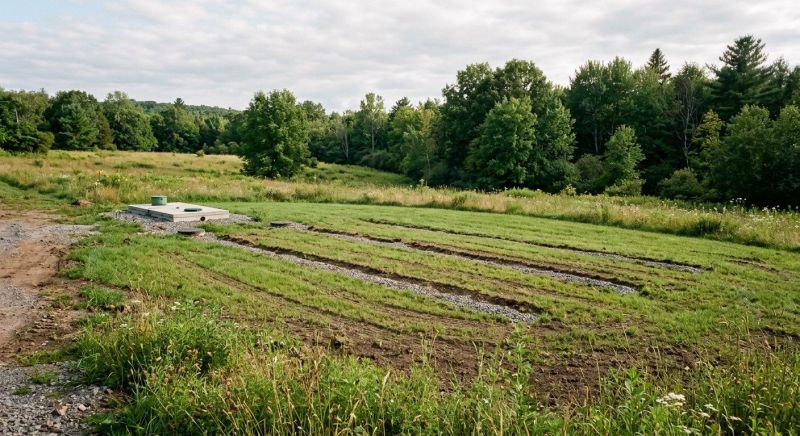
Drain Field Installation in Austin, TX
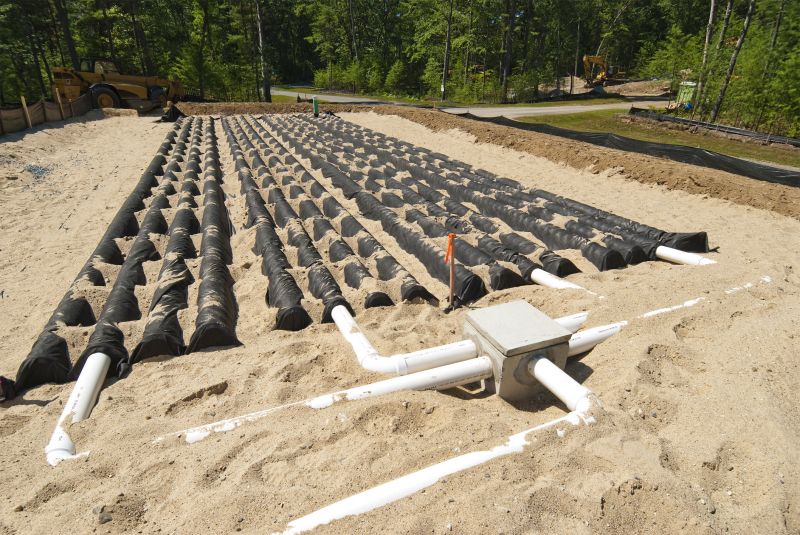
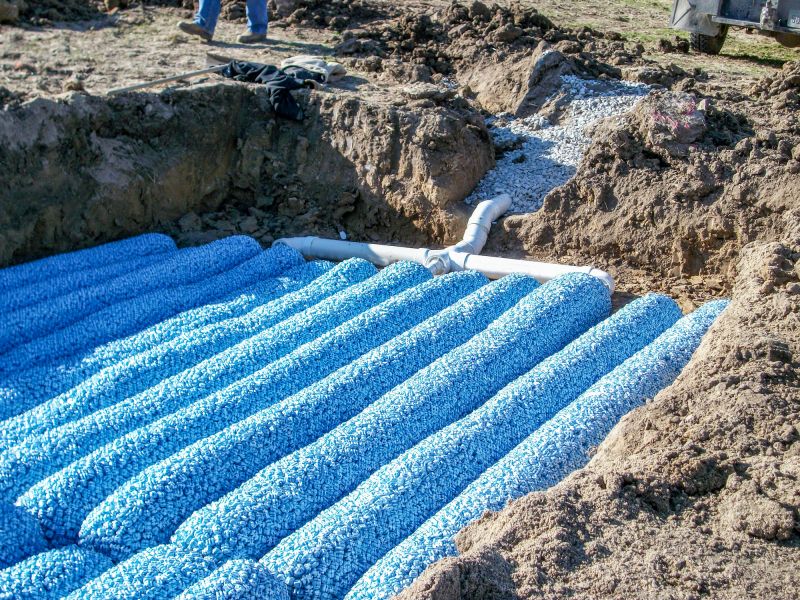
Drain field installation services involve setting up the underground system responsible for dispersing wastewater from a septic tank into the soil. This process typically includes selecting the appropriate type of drain field, preparing the land, and installing pipes and gravel beds that allow for proper filtration and drainage. Projects can range from new septic system setups on vacant land to replacing or expanding existing drain fields to accommodate property growth or address drainage issues. Property owners often want to understand the different types of drain fields available, how the installation process works, and what site conditions are necessary for a successful setup.
Before requesting drain field installation, property owners should consider factors such as soil type, land size, and local regulations that may influence the design and placement of the system. It’s also helpful to understand the maintenance requirements and potential limitations related to property use or landscaping. Proper planning ensures the drain field functions effectively and complies with local standards, making it a crucial step for those installing a new septic system or upgrading an existing one.
Many property owners in Austin, TX look into Drain Field Installation for repairs, replacements, upgrades, and appearance-related improvements.
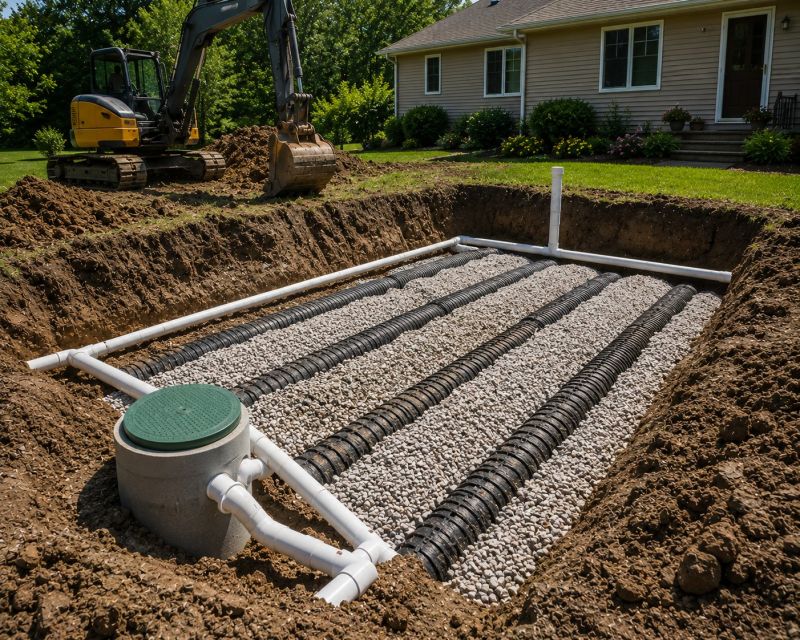
Drain Field Design And Planning
Proper planning ensures effective wastewater distribution for residential and commercial properties.
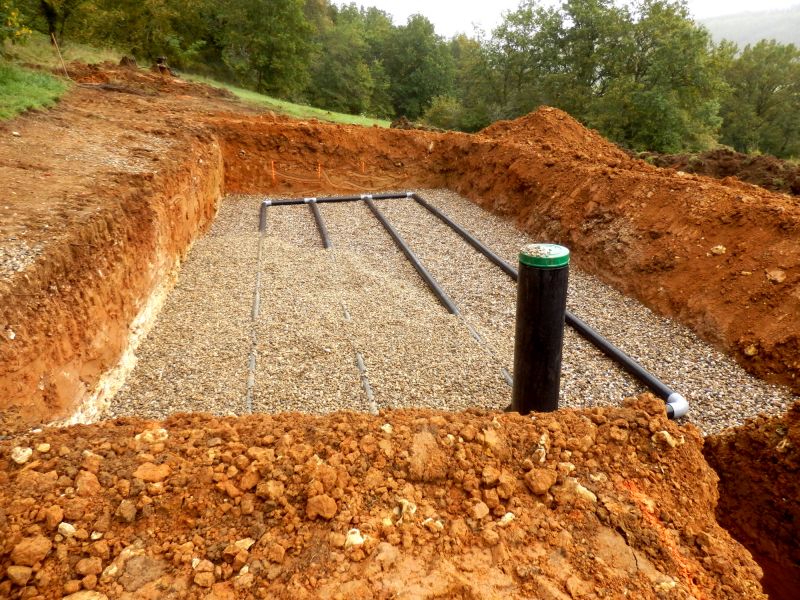
Installation And System Setup
Professional installation provides reliable operation and long-term performance of drain field systems.
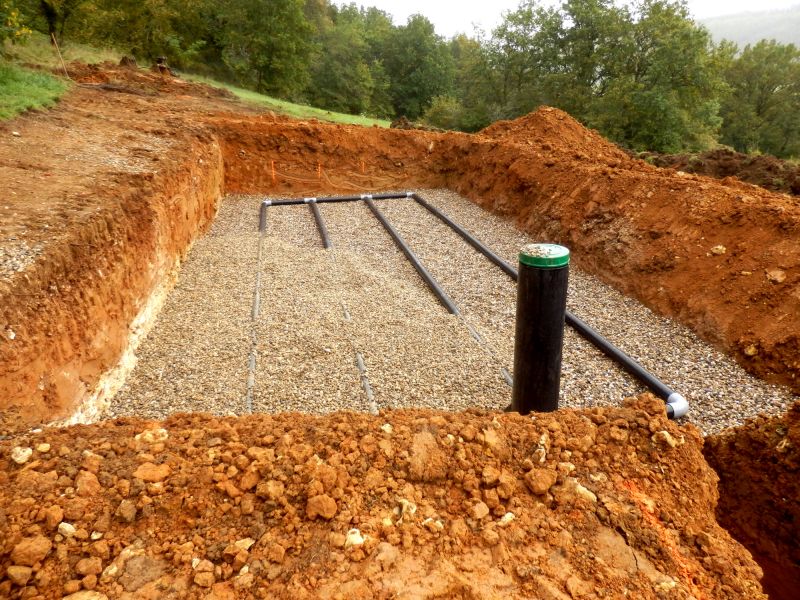
Maintenance And System Care
Regular maintenance helps prevent system failure and extends the lifespan of drain field components.
Drain Field Installation in Austin, TX

Drain field installation services involve setting up the underground system responsible for dispersing wastewater from a septic tank into the soil. This process typically includes selecting the appropriate type of drain field, preparing the land, and installing pipes and gravel beds that allow for proper filtration and drainage. Projects can range from new septic system setups on vacant land to replacing or expanding existing drain fields to accommodate property growth or address drainage issues. Property owners often want to understand the different types of drain fields available, how the installation process works, and what site conditions are necessary for a successful setup.
Before requesting drain field installation, property owners should consider factors such as soil type, land size, and local regulations that may influence the design and placement of the system. It’s also helpful to understand the maintenance requirements and potential limitations related to property use or landscaping. Proper planning ensures the drain field functions effectively and complies with local standards, making it a crucial step for those installing a new septic system or upgrading an existing one.
Many property owners in Austin, TX look into Drain Field Installation for repairs, replacements, upgrades, and appearance-related improvements.
Common Drain Field Installation Jobs
Drain Field Installation - Properly installed drain fields ensure effective wastewater dispersal for residential properties.
Septic System Drain Fields - Installation of septic drain fields is essential for homes relying on septic systems.
Leach Field Setup - Leach fields are designed to filter and distribute wastewater safely into the soil.
Soil Evaluation and Site Preparation - Assessing soil conditions helps determine the best location and design for the drain field.
Drain Field Replacement - Replacing an outdated or failing drain field restores proper septic system function.
Maintenance-Ready Installations - Proper installation supports long-term performance and reduces the risk of system failure.
Drain Field Installation Questions
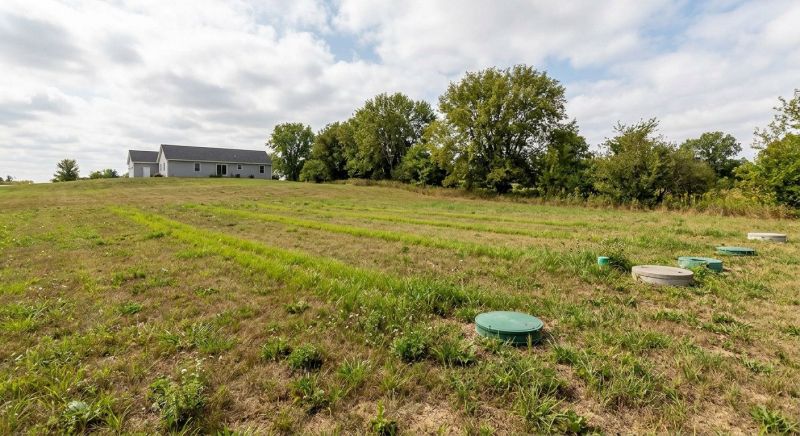
What is a drain field? A drain field is an underground system that disperses treated wastewater from a septic system into the soil, helping to prevent backups and odors.
What types of drain fields are available? Common types include trench, mound, and chamber systems, each suitable for different property conditions and soil types.
How can I tell if my drain field needs replacement? Signs include persistent odors, pooling water, or lush grass growth over the area, indicating potential failure.
What factors affect drain field installation? Soil conditions, property size, and local regulations influence the design and placement of a new drain field.
Request Drain Field Installation in Austin, TX
Use the quote form on this page to share the basics of your project and request more information for the type of work you need.