
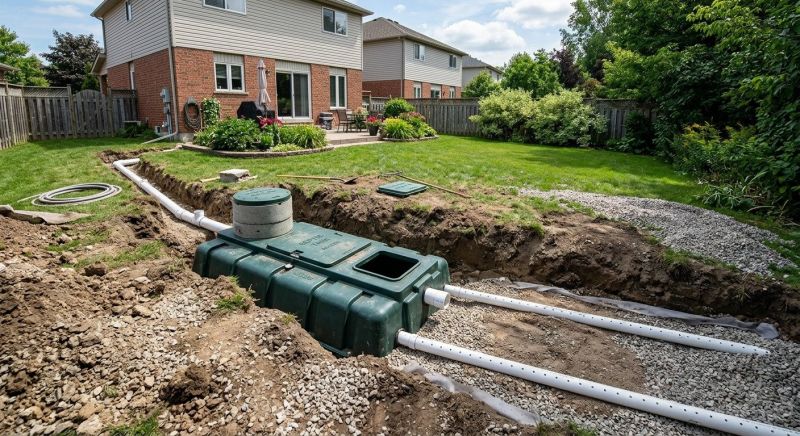
Septic System Relocation in Denver, CO
Septic system relocation services involve the process of moving an existing septic system to a new location on a property. This type of project typically covers situations where a home is being renovated, expanded, or when zoning and property line restrictions require the septic system to be repositioned. Property owners usually want to understand the scope of work involved, including site assessments, excavation, and system installation, as well as any necessary permits or regulations that must be followed to ensure the new system functions properly and complies with local codes.
Before requesting septic system relocation services, property owners should consider factors such as the condition of the existing system, the new site’s suitability, and the impact on landscaping or structures. It’s also helpful to understand the distance the system needs to be moved, potential challenges with soil or groundwater, and any additional infrastructure adjustments that may be required. Gathering this information can help ensure the project proceeds smoothly and meets the specific needs of the property.
Many property owners in Denver, CO look into Septic System Relocation for repairs, replacements, upgrades, and appearance-related improvements.
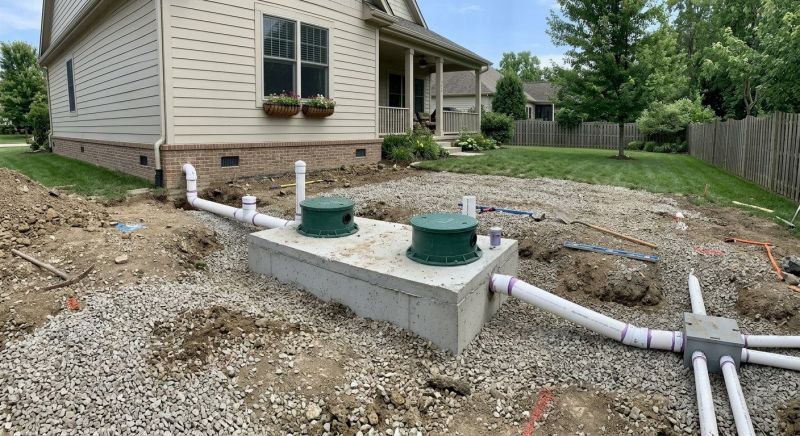
Septic System Relocation Planning
Assessments ensure proper placement and compliance with denver regulations.
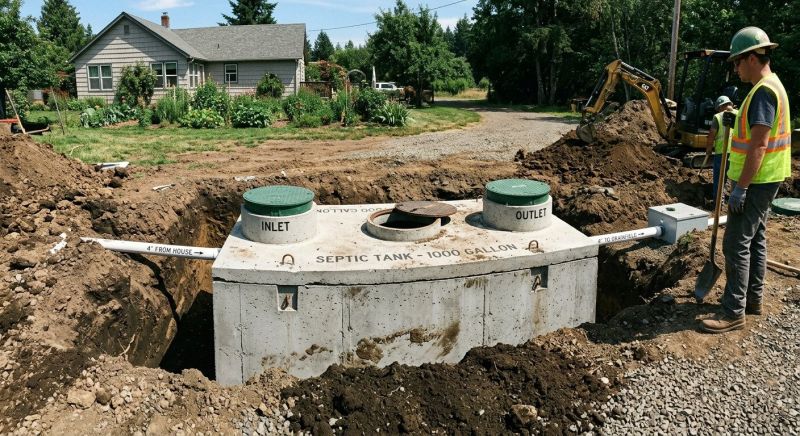
Preparing For Septic System Moves
Site evaluations identify suitable areas for relocating septic systems on residential properties.
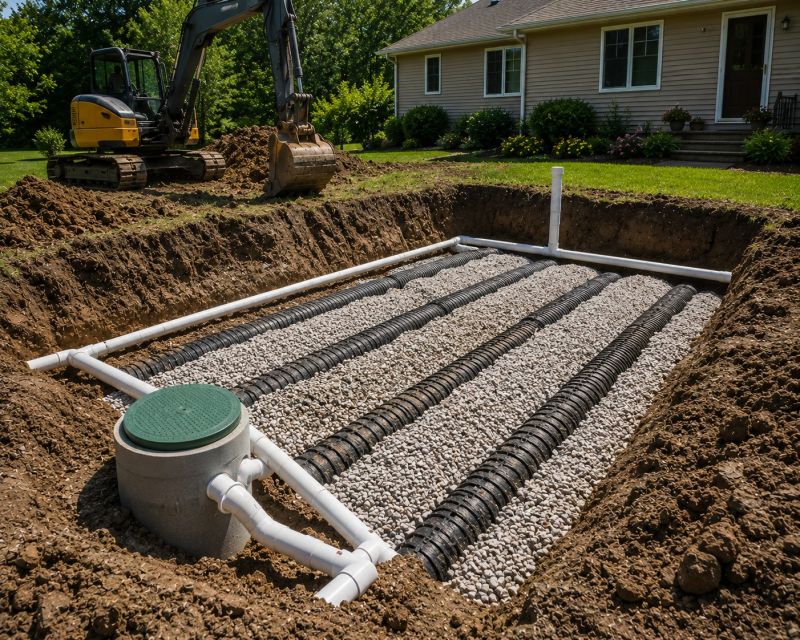
Septic System Relocation Process
Professional services manage the safe and efficient transfer of septic systems to new locations.
Septic System Relocation in Denver, CO

Septic system relocation services involve the process of moving an existing septic system to a new location on a property. This type of project typically covers situations where a home is being renovated, expanded, or when zoning and property line restrictions require the septic system to be repositioned. Property owners usually want to understand the scope of work involved, including site assessments, excavation, and system installation, as well as any necessary permits or regulations that must be followed to ensure the new system functions properly and complies with local codes.
Before requesting septic system relocation services, property owners should consider factors such as the condition of the existing system, the new site’s suitability, and the impact on landscaping or structures. It’s also helpful to understand the distance the system needs to be moved, potential challenges with soil or groundwater, and any additional infrastructure adjustments that may be required. Gathering this information can help ensure the project proceeds smoothly and meets the specific needs of the property.
Many property owners in Denver, CO look into Septic System Relocation for repairs, replacements, upgrades, and appearance-related improvements.
Common Septic System Relocation Jobs
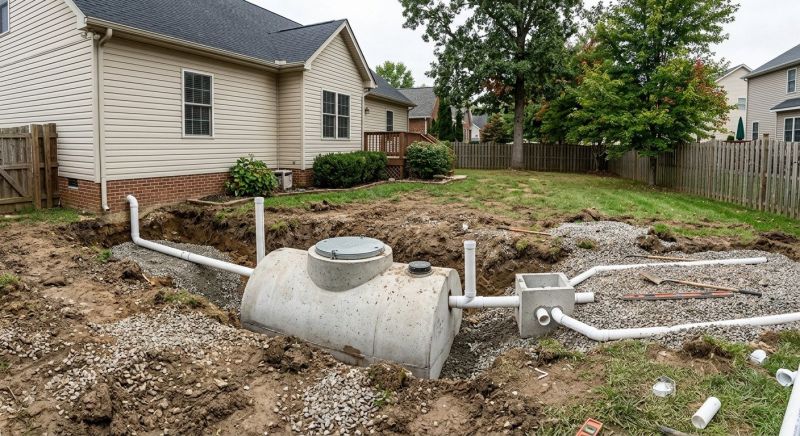
Septic System Relocation involves moving an existing septic system to a new location on the property.
Site assessment and planning ensure the new placement meets local regulations and soil conditions.
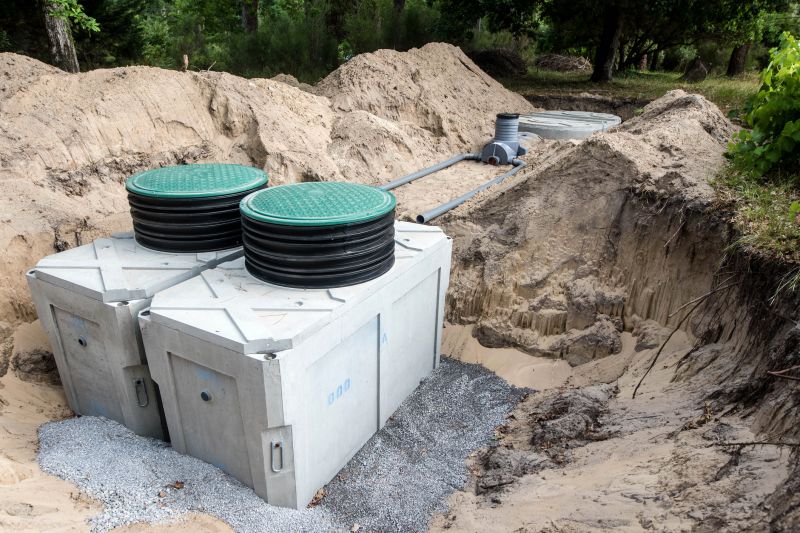
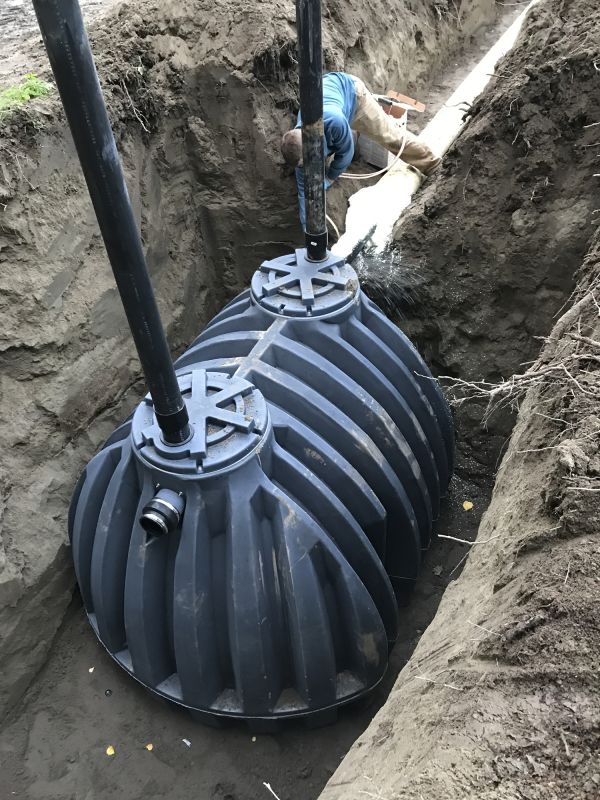
Excavation and installation include digging and setting the new septic tank and drain field.
Permitting and inspections are required to comply with local codes and standards.
System connection and testing verify proper operation after relocation.
Property access and landscape restoration help minimize disruption and restore the site post-installation.
Septic System Relocation Questions
Why might someone need to relocate a septic system? Septic system relocation is often necessary when property development, landscaping, or new construction affects the existing system's placement or access.
What should property owners consider before moving a septic system? It’s important to evaluate site conditions, access points, and local regulations to ensure proper placement and compliance.
What types of projects typically involve septic system relocation? Projects such as building additions, driveway expansions, or lot subdivisions commonly require repositioning of septic systems.
How does the relocation process impact existing plumbing connections? The process involves disconnecting and rerouting plumbing lines to a new septic location, ensuring continued proper function.
Request Septic System Relocation in Denver, CO
Use the quote form on this page to share the basics of your project and request more information for the type of work you need.