
Compare Local Contractors for Septic System Installation Success
Compare local contractors to define project scope, verify experience, and set clear expectations for septic system installation.
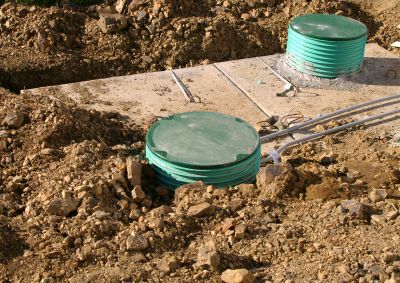
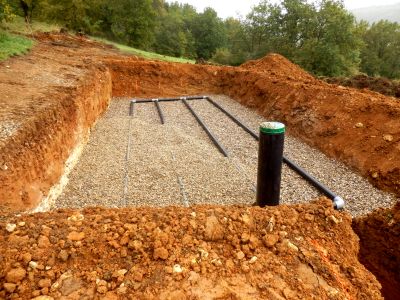
Septic system installation is a specialized service that involves designing, planning, and constructing systems to manage wastewater on residential and commercial properties. This process typically includes assessing the property’s soil and site conditions, selecting appropriate system components, and ensuring proper placement and construction to meet local regulations. Contractors may handle tasks such as excavation, installation of septic tanks, drain fields, and distribution boxes, as well as ensuring the system functions correctly once completed. Understanding the scope of work helps property owners clarify what services are included and ensures the system is built to meet specific property needs.
Defining the scope of septic system installation projects is essential for establishing clear expectations and avoiding misunderstandings. A well-documented scope outlines the specific tasks, materials, and responsibilities involved in the project, providing a reference point for both property owners and contractors. It also helps identify any potential challenges or additional work that may be required, such as soil modifications or additional permits. Having a detailed scope in writing can support smoother project execution and serve as a basis for comparing proposals from different service providers.
When evaluating local contractors for septic system installation, property owners should consider several factors to make informed comparisons. Verifying experience with similar projects and understanding each contractor’s approach to site assessment and system design can provide insight into their expertise. It’s also helpful to review the scope of services offered and ensure it aligns with the property’s needs. Asking for references or examples of completed projects can offer additional perspective on a contractor’s work quality. Ultimately, comparing how contractors define their scope, communicate expectations, and handle project details can assist property owners in selecting the most suitable service providers for their septic system installation.
Compare local contractors by outlining project priorities, verifying experience, and setting clear expectations in writing.
- Compare Contractor Experience - Review the backgrounds of local contractors to ensure relevant experience with septic system installation.
- Define Project Scope - Clearly outline the work to be completed and set expectations in writing before starting.
- Verify Credentials and References - Check references and past projects to assess the reliability of local service providers.
- Request Detailed Written Estimates - Obtain comprehensive, itemized proposals to understand the scope and responsibilities involved.

Before comparing local contractors for septic system installation, clearly describe your project scope to ensure accurate assessments and expectations.
- Verify experience and expertise of local contractors in septic system installation to ensure they are knowledgeable about proper procedures. - Evaluate the scope of work outlined by service providers to confirm all necessary installation steps are included.
- Ensure that contractors provide clear written estimates detailing the materials, work scope, and expectations for the septic system installation. - Confirm that the proposed plans comply with local codes and regulations relevant to septic systems.
- Assess the contractor’s understanding of site-specific factors such as soil type, drainage, and lot layout that can impact installation quality. - Review the contractor’s references or past projects to gauge their experience with similar septic system installations.
- Discuss and document the installation process, including excavation, system placement, and backfilling, to set clear expectations. - Check that the service provider plans to perform necessary site assessments and permits as part of the installation process.
- Compare the warranties or guarantees offered by local contractors to understand coverage for installation issues. - Make sure all agreements are in writing, including scope, materials, and responsibilities, to avoid misunderstandings.
Compare local contractors, clarify project scope, verify experience, and document expectations to ensure a successful septic system installation.


Use consistent comparison criteria to evaluate local contractors’ scope, experience, and written expectations for septic system installation.
- Scope Definition - Clearly outline the specific tasks and responsibilities involved in the septic system installation project.
- Site Assessment - Determine the characteristics of the installation site, including soil type, land topography, and access considerations.
- Design Specifications - Specify the system design, including tank size, type, and placement details to meet local requirements.
- Material & Equipment Requirements - Identify the necessary materials, components, and tools needed for the installation process.
- Performance & Compliance Expectations - Establish the expected system performance standards and ensure adherence to relevant codes and regulations.
When evaluating contractors for septic system installation, it is important to consider their experience with similar projects. Homeowners should inquire about the types of systems the contractor has installed in comparable properties and whether they are familiar with local soil conditions and site challenges. A contractor with a proven track record handling projects similar in scope and complexity can provide insights into potential issues and ensure that the installation process aligns with the specific requirements of the site.
A clear, written scope of work is essential for establishing mutual understanding and setting expectations. Homeowners should seek detailed descriptions of the services included, such as site preparation, system installation, and any necessary permits or inspections. Having this information documented helps prevent misunderstandings and provides a reference point throughout the project. Service providers who can articulate a comprehensive scope in writing demonstrate professionalism and transparency, making it easier to compare options objectively.
Verification basics involve confirming that the contractor has the necessary experience and understanding of local regulations and site conditions. Homeowners can ask for references or examples of completed projects, as well as clarification on the contractor’s familiarity with local permitting processes. It is also useful to verify that the contractor has the appropriate equipment and resources to handle the installation efficiently. These verification steps help ensure that the chosen service provider has the foundational knowledge and capability to complete the project successfully.
When comparing contractors, it is valuable to evaluate how well each one communicates and how thoroughly they define the scope of work. Homeowners should ask detailed questions about the installation process, materials, and site considerations. Reviewing written proposals or scope documents side by side can highlight differences in clarity and comprehensiveness. Focusing on these aspects allows for an informed comparison based on professionalism, experience, and clarity, rather than price or timeline, helping to select the best service provider for the specific needs of the project.
Ask contractors to provide written scope details to ensure clear expectations and consistent project understanding.
- Experience and Qualifications - What relevant experience do the local contractors have with septic system installations?
- Scope of Work - How will the scope of the project be defined and documented in writing?
- Comparison of Services - What specific services and installation methods do different service providers offer?
- Project Expectations - How will the project requirements and responsibilities be clarified before work begins?
- References and Past Projects - Can the service providers provide references or examples of previous septic system installations?
What should I consider when choosing a contractor for septic system installation? It's important to compare local contractors based on their experience, reputation, and the scope of services they offer to ensure they meet specific project needs.
How can I verify a contractor's experience with septic system installation? You can review their previous work, ask for references, and check how long they have been providing septic installation services in the area.
What questions should I ask a contractor before hiring for septic system installation? Inquire about their process, the types of systems they install, and how they define the scope of work to ensure clarity and alignment with expectations.
Why is it important to have a written scope of work with a contractor? A written scope helps clarify project details, responsibilities, and expectations, reducing misunderstandings and ensuring everyone is on the same page.
How do I compare different septic system installation contractors effectively? Focus on their experience, the services they provide, their reputation, and how clearly they communicate the scope and process of the installation.
What role does experience play in selecting a septic system installation contractor? Experience indicates familiarity with various system types and site conditions, which can contribute to a smoother installation process and better results.
This page has provided an overview of key considerations when selecting contractors for septic system installation. Visitors have learned the importance of clearly defining the scope of work, verifying the experience of service providers, and setting expectations in writing to help ensure a smooth project process. Comparing local contractors can help identify options that align with specific needs and preferences.
Using the quote form allows for easy comparison of local service providers, making it simple to explore available options. Taking the time to evaluate and connect with experienced local contractors can help facilitate a project that meets individual requirements.